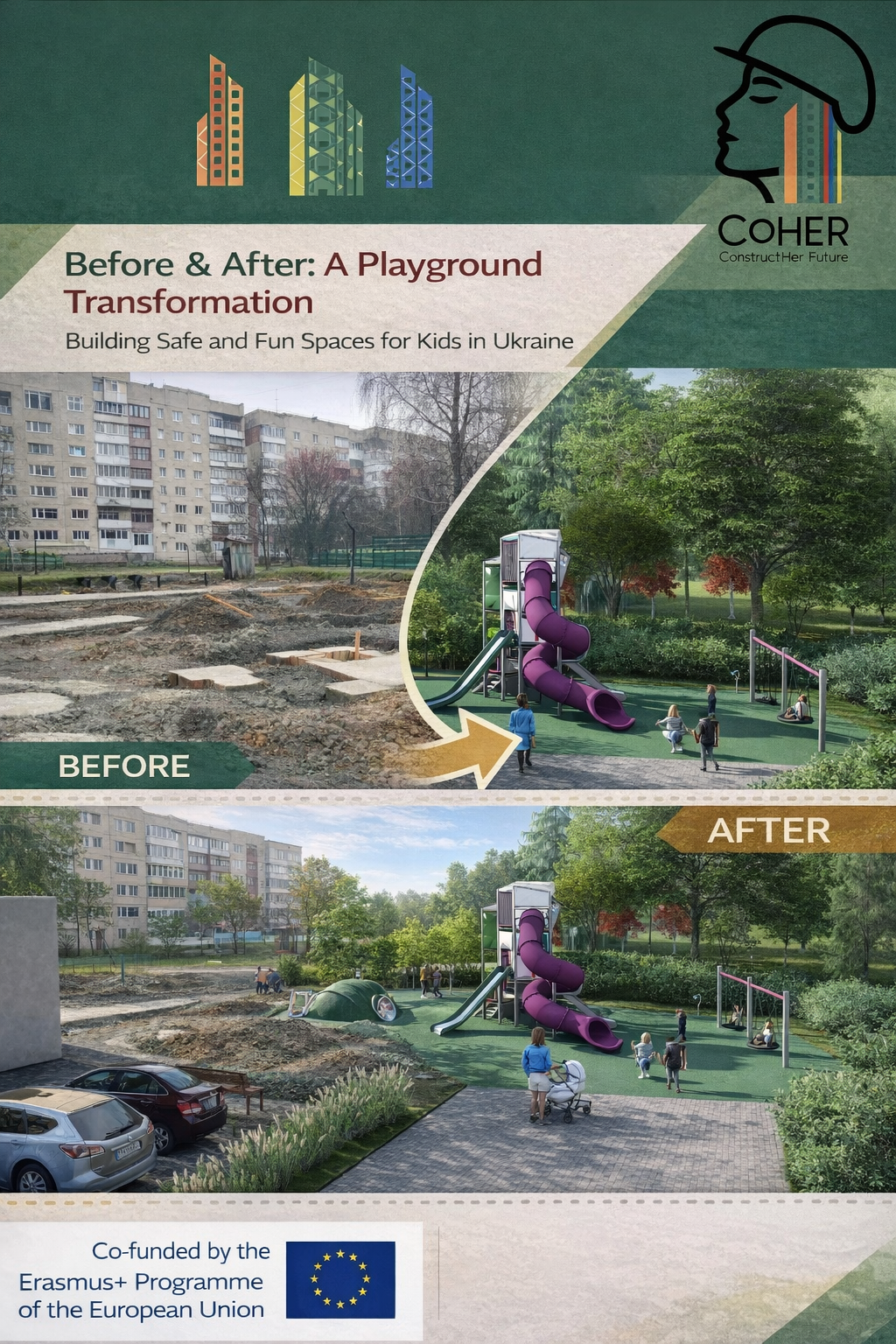
Creating a children’s playground is much more than just installing slides and swings. It is a combination of design, safety, engineering thinking, and understanding how children interact with space.
Modern playgrounds should not only be bright and engaging but also safe, functional, and thoughtfully planned. Behind every such space are designers, planners, and manufacturers who turn ideas into real places for play and development.
In Ukraine, more and more young professionals are entering this field, bringing fresh ideas, a modern design approach, and a desire to create comfortable environments for children.
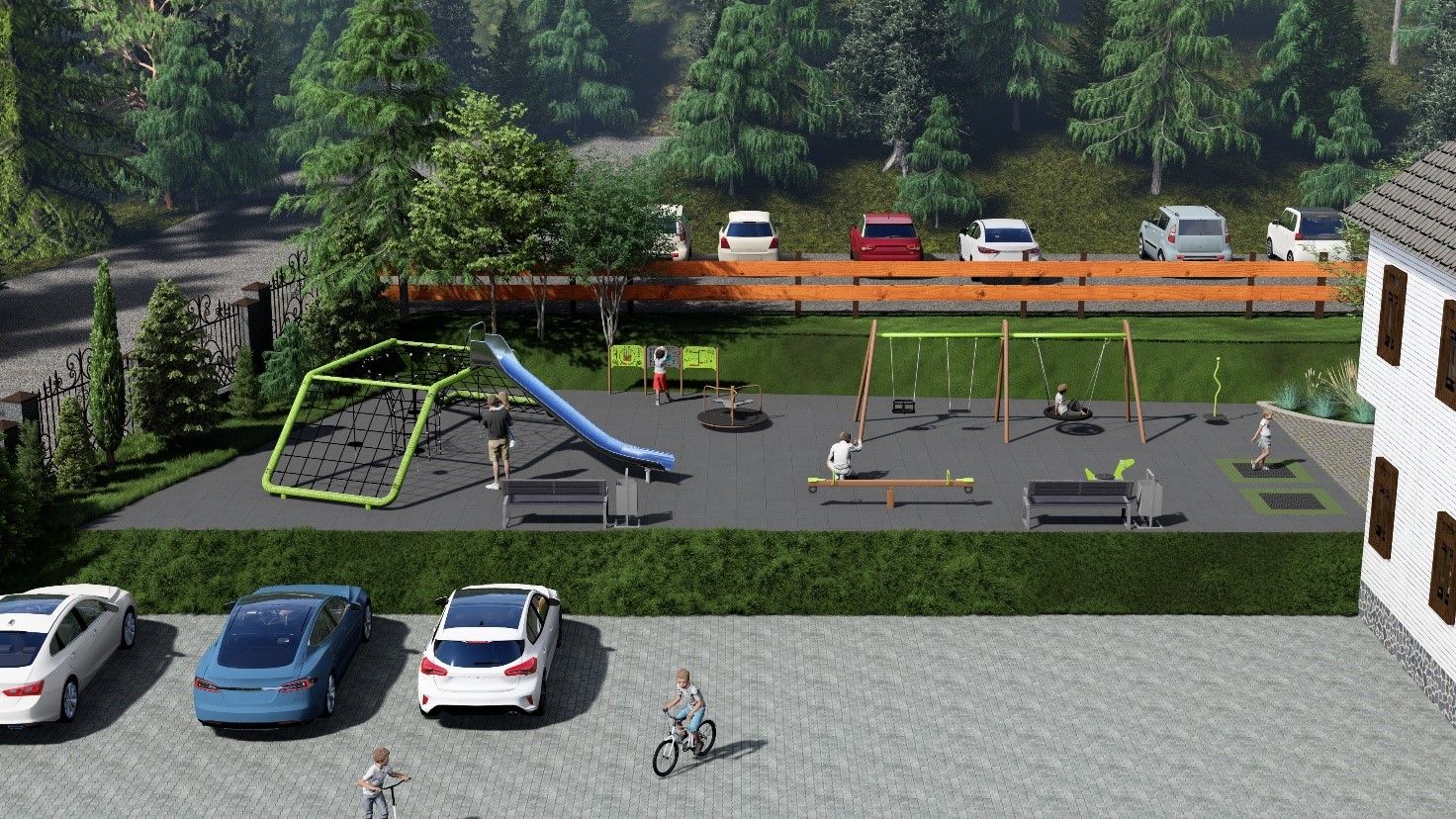
This article is dedicated to the story of Karina Vorozheykina, a fourth-year student majoring in Construction and Civil Engineering at Lutsk National Technical University, who is already pursuing her professional path by working at URBAN Monkeys and participating in the creation of modern children’s playgrounds.
First Steps at the Company
When I started working in this field, it was a new and very exciting experience for me. The team quickly welcomed me, and I immediately felt my colleagues’ support and openness. They helped me understand the workflow, explained the specifics of the job, and shared their own experiences.
A particularly pleasant moment was when, at the beginning of my work, I was given the opportunity to choose the direction I wanted to take. I could try either playground installation or design.
This decision was important, as each of these directions has its own specifics. Installation allows you to work on-site and see a project come to life, while design is the process of developing ideas, planning space, and envisioning a future playground.
After weighing all the options, I decided to focus on design. I was interested in working with ideas, creating new play spaces, and thinking through how they would look and function.
Since then, I have been working on children’s playground projects, creating spaces where kids can play safely, explore, and spend time outdoors.
Starting a Career in the Field
A career in designing children’s playgrounds often begins with an interest in design, spatial thinking, and creativity.
I was warmly welcomed into the team, which helped me quickly adapt to new tasks. Working on projects became not only a professional challenge but also an opportunity to continuously learn and grow.
Thanks to the support of my colleagues and our collaborative work on projects, I was able to quickly understand the specifics of this field and feel like a true part of the team.
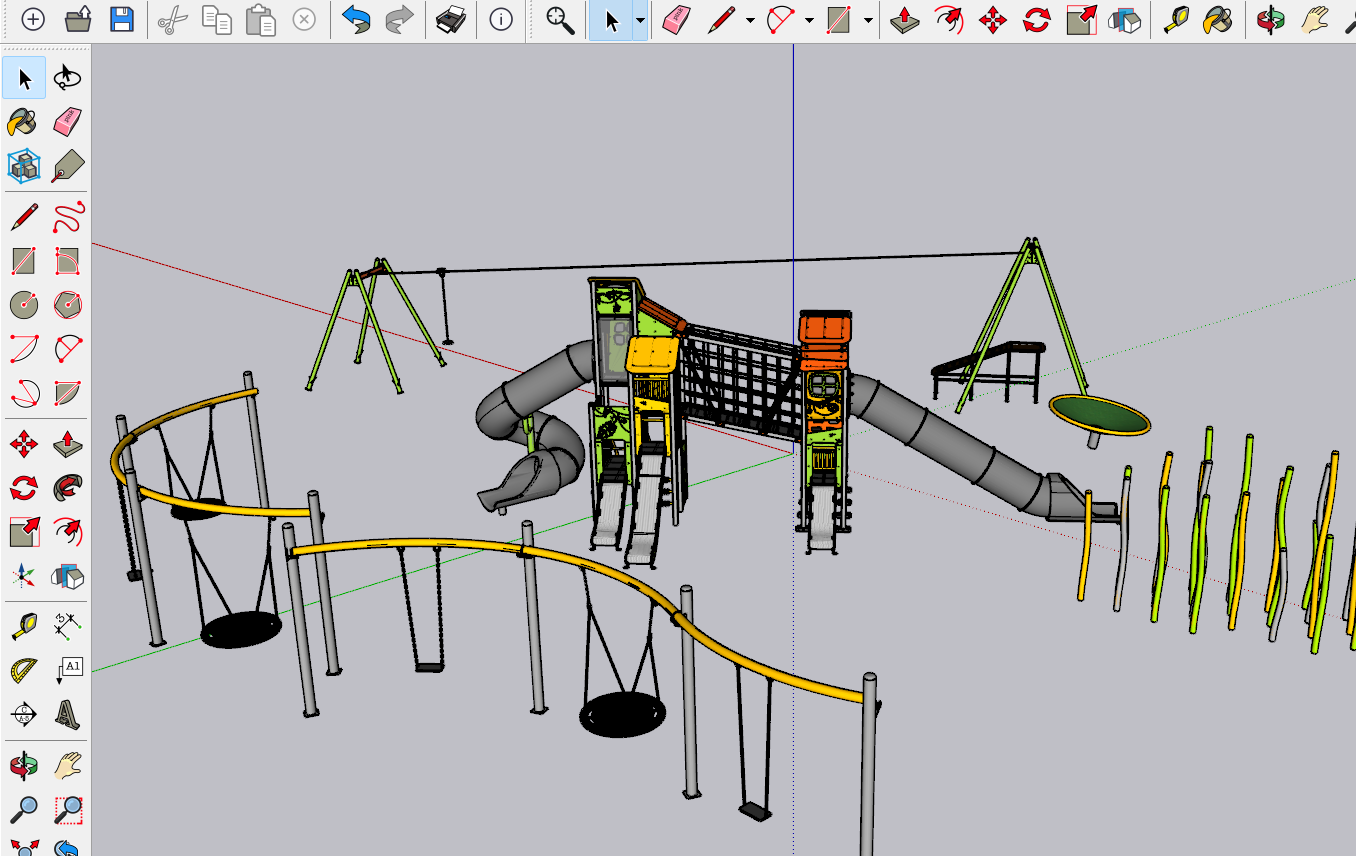
Designing Children’s Playgrounds Is a Team Effort
Designing play spaces combines many different areas. It involves creative design, adherence to safety standards, and proper spatial planning.
Each playground must consider the children’s ages, activity zones, safe distances between elements, and the overall flow of movement within the area.
During the process, designers often collaborate with manufacturers, managers, and other specialists. This teamwork helps transform an initial idea or sketch into a full-fledged project, which later becomes a real play space.
What makes this work special is that each project is unique. It requires considering the landscape, the area’s size, the client’s wishes, and, at the same time, creating a space where children will enjoy playing.
What Makes This Profession Special
Working on children’s playgrounds has a unique value. Unlike many other projects, this work’s outcome directly affects children’s everyday experiences.
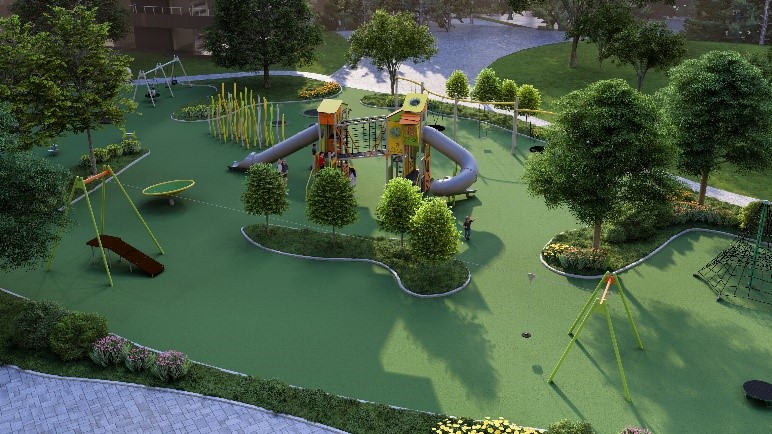
When a playground that initially existed only as a drawing or 3D visualization becomes a real space, it brings a special sense of satisfaction.
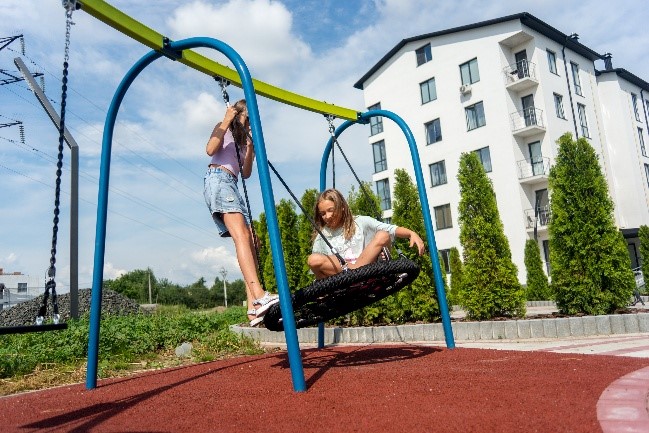
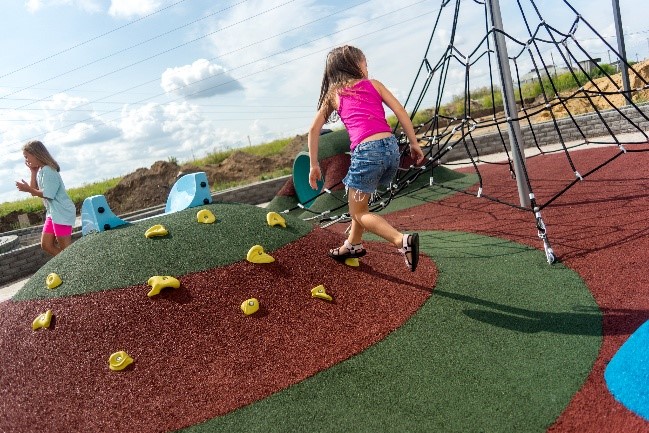
The most rewarding moment is seeing children actively using the space—playing, climbing on the structures, sliding down the slides, and spending time together.
It is at that moment you realize that all the work was truly worthwhile.
Why a Fresh Perspective Matters in This Sphere?
Women designers in this field are still relatively rare, but their contribution is incredibly valuable. Women often have a unique sensitivity to space, paying greater attention to details, safety, emotional comfort, and the needs of children. It is this sensitivity, combined with professional expertise, that makes their work not just technically precise but deeply thoughtful.