
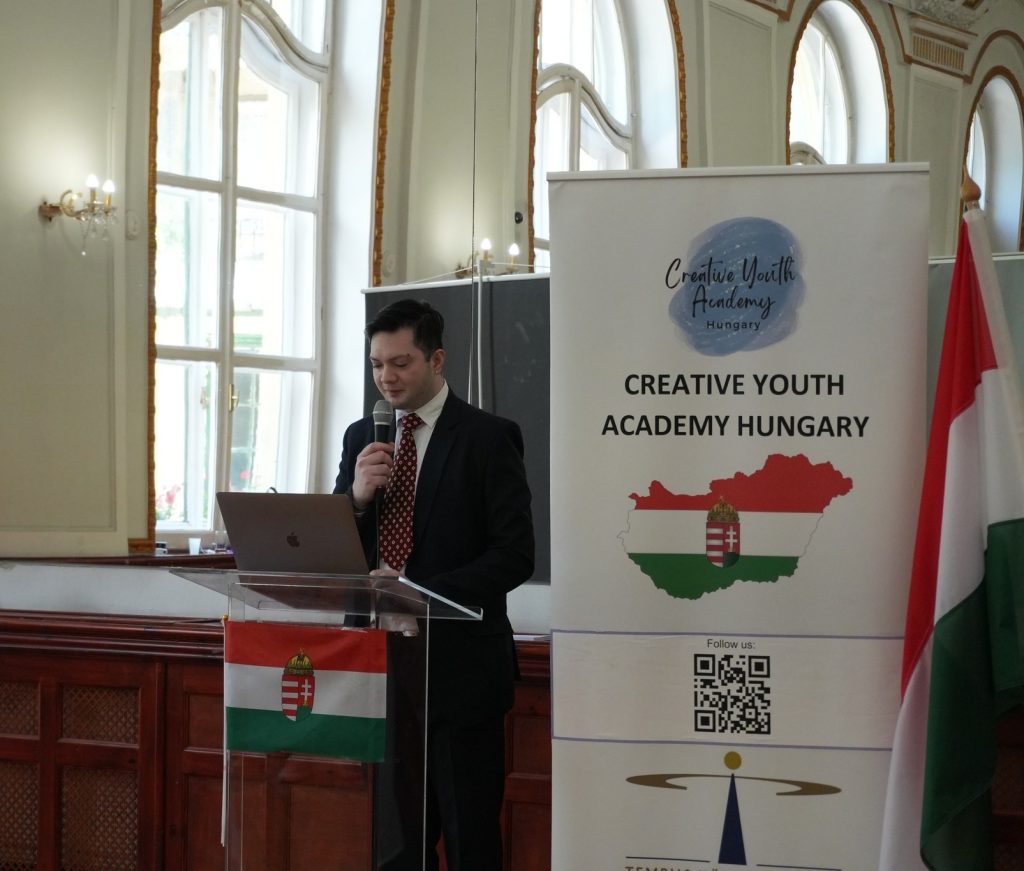
As part of the project’s ongoing curriculum development work, pilot testing activities were carried out to ensure that the learning content responds effectively to the real needs and experiences of young women preparing for construction and site-based roles. These piloting sessions provided an opportunity to test early drafts of the mini-course materials, gather direct feedback from the target group, and strengthen the curriculum through a learner-centred and inclusive approach.
What Was Our Goal?
The piloting activities aimed to test and validate the early draft of Module 1: Foundations of Safe, Equitable, Sustainable Construction, along with the overall concept of the mini-course Problem-Solving & Resilience: Navigating On-Site Challenges (for Women).
The main objective was to ensure that the content is clear, relevant, empowering, and accessible for young women in vocational education and training (VET) and related learning pathways. Rather than assessing learner performance, the pilot focused on gathering honest feedback to strengthen the course design before finalisation.

What Did We Do?
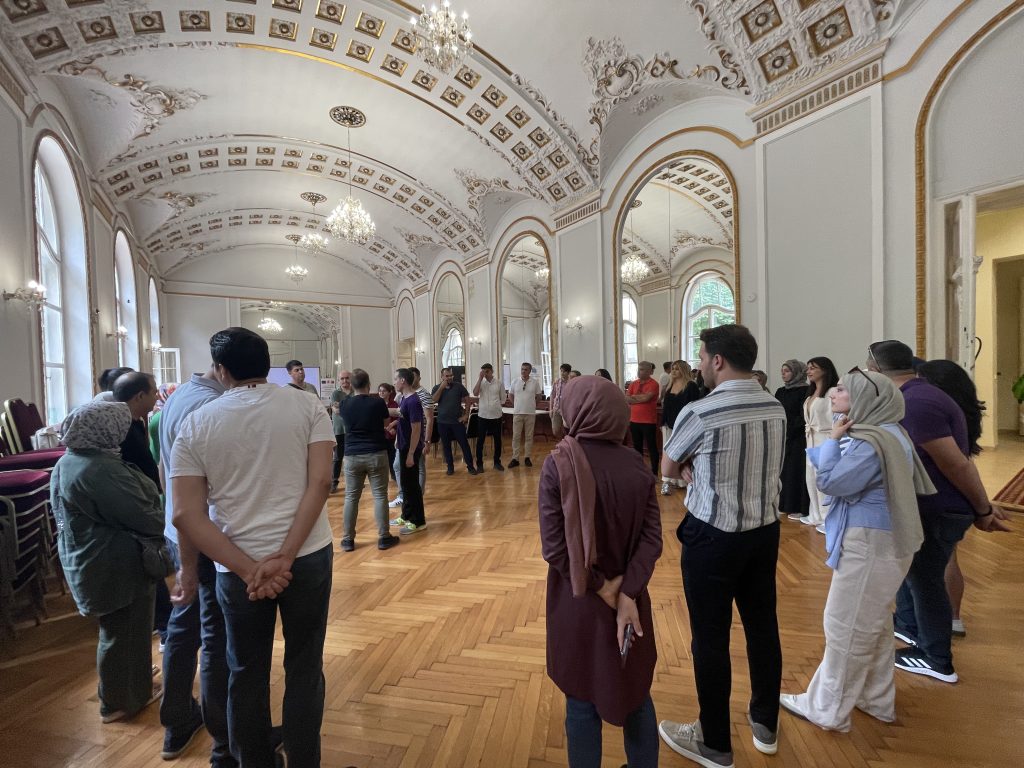
The pilot testing was delivered through informal & interactive feedback sessions. A total of 23 participants took part, representing the project’s target group:
- Young women currently enrolled in VET or further education programmes related to construction, engineering, sustainability, or technical studies
- Recent female graduates exploring entry routes into construction and site-based roles
- Participants with limited prior exposure to construction, attending as part of employability or career-orientation activities
Participants reviewed draft learning outcomes, introductory content, and early scenarios addressing safety, equity, sustainability, and on-site problem-solving. Feedback was collected using participatory methods such as Plus / Deltagroup discussions, learning outcome clarity checks, and facilitated conversations during content walkthroughs. This approach encouraged open dialogue and positioned participants as active contributors to the course design process.
What We Achieved:
The piloting activities provided strong validation of the course direction and generated practical, actionable insights for improvement:
- Participants confirmed that the content is highly relevant to real construction site environments, particularly in addressing communication challenges, safety concerns, and unequal treatment
- Scenario-based examples were identified as the most engaging and effective learning elements
- The focus on resilience, confidence, and problem-solving was widely described as empowering for women navigating male-dominated workplaces
- Feedback highlighted opportunities to simplify learning outcome language, reduce text-heavy sections, and introduce more visual and interactive elements
- Participants expressed strong interest in continuing with the mini-course and seeing how future modules build on these foundations
Based on this feedback, the next version of the module will include clearer learning outcomes, additional site-based scenarios, stronger women-focused examples, and improved accessibility for VET-level learners.
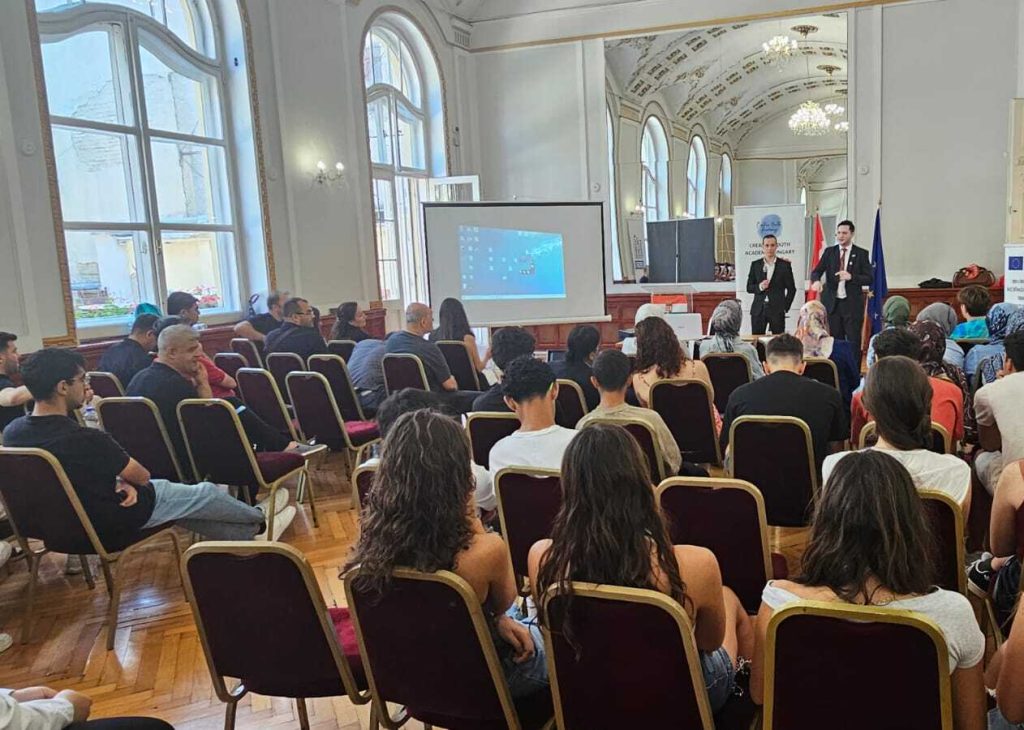
The piloting phase demonstrated the value of co-creation and learner-centred design, ensuring that the final curriculum is not only informative, but also practical, inclusive, and empowering for the women it is designed to support.
Funded by the European Union. Views and opinions expressed are those of the author(s) only and do not necessarily reflect those of the European Union or the National Agency Léargas.
